Valorant has four agent roles, and picking the wrong one for your playstyle will make every round feel like a fight against your own team. The good news: once you understand what each role is actually responsible for, the choice becomes obvious. This guide breaks down what each role does in practice — not just on paper — and which agents are safest to start on.
Understanding the Four Roles
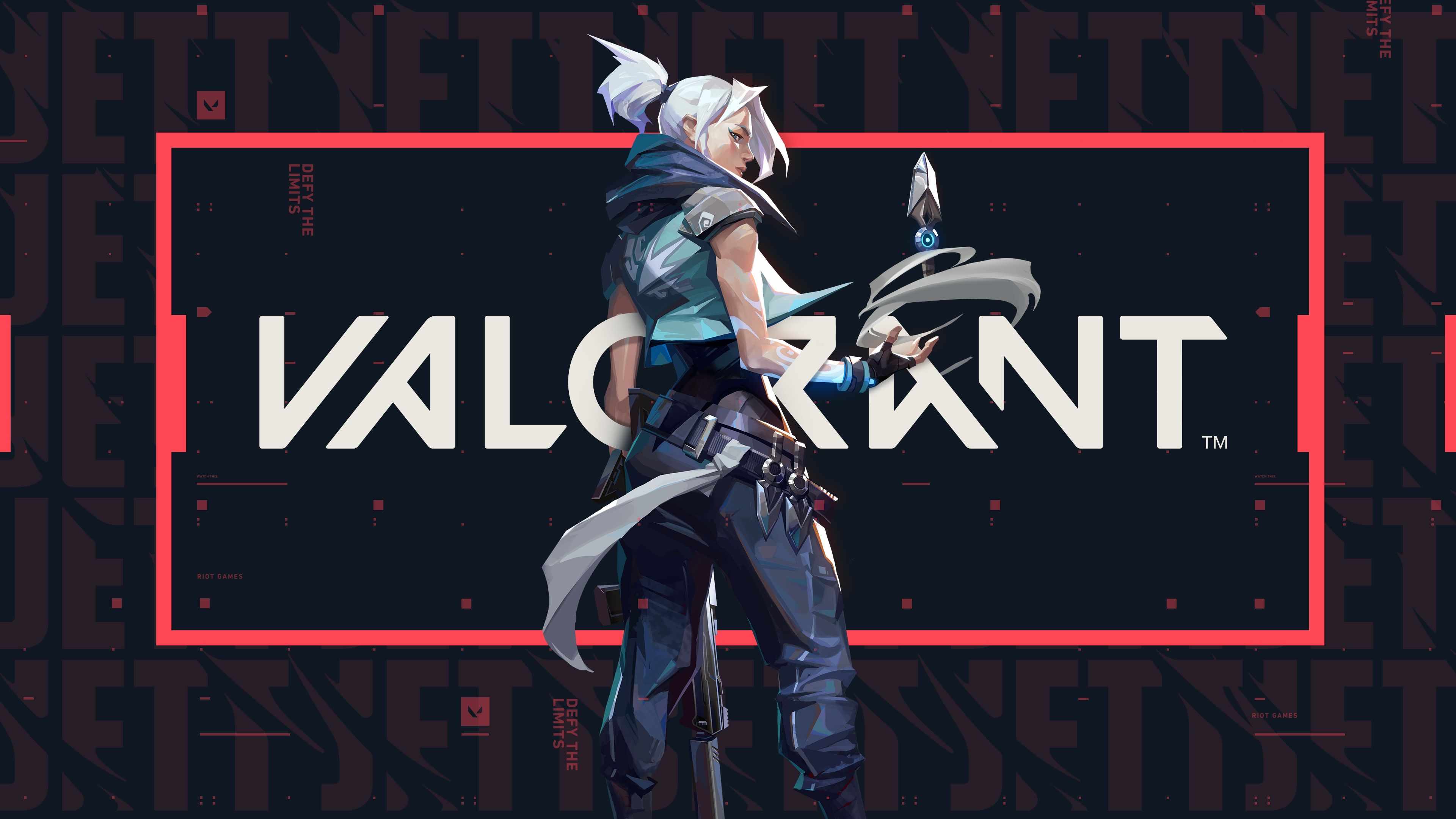
Duelists are entry fraggers. Their job is to go in first, take space, and trade deaths favorably. Their abilities are self-sufficient — flashes that help them peek corners, smokes to cover their own push, or movement tools to close gaps fast. Duelists are expected to get kills. If you're playing Jett and hanging back, you're playing her wrong.
Best for: Players who are confident in their aim and want to be in the action constantly. Starter picks: Reyna (self-sustain through kills, minimal team dependency), Phoenix (self-flash, good for learning aggressive play).
Sentinels are defensive anchors. They hold sites, watch flanks, and lock down areas with traps and information tools. Their value is often invisible — a Killjoy alarm that saves your team from a surprise flank is game-winning even if it doesn't result in a kill. Sentinels win rounds by denying the enemy the rotations they planned.
Best for: Players who like methodical, positional play and don't mind not always being the one making the play. Starter picks: Sage (wall and heal are immediately useful to the team, lower skill floor), Killjoy (strong site hold, turrets provide automatic information).
Controllers shape the map with smokes. Their role is to cut sightlines — blocking off key angles so your team can push or retake without getting picked off from range. Controllers are usually the least flashy role, but a team without one struggles enormously on any map with long sightlines. Playing controller well means knowing when and where to smoke, not just reacting.
Best for: Players who understand the map and want to enable their teammates rather than solo-carry. Starter picks: Brimstone (simple smoke deployment via map UI, no mechanics required), Omen (more mobile, learns well to understand map control).
Initiators create advantages for entry. They gather information with recon abilities, clear angles with flashes and reveals, and disrupt the enemy's defensive setup before your team pushes. A good initiator makes the duelist's job significantly easier — the difference between peeking a corner blind and peeking one you know is occupied.
Best for: Players who want to be the setup person, value team play, and enjoy reading the round before committing. Starter picks: Sova (recon dart provides clear information value even at beginner level), Breach (flashes and stuns that help teammates enter — forgiving to learn).
How to Pick Your Role
The question isn't "which agent is strongest right now" — the meta shifts every patch. Ask yourself how you naturally play:
Do you want to make plays yourself? Pick duelist. You'll be expected to, and your abilities are built around it.
Do you want to enable plays? Initiator or controller. Initiator if you like gathering information first; controller if you prefer controlling space.
Do you want to hold and punish? Sentinel. You'll frustrate attackers and be essential on defense.
One practical rule: In solo queue, avoid anchoring yourself to one role too rigidly. Being able to play at least a controller in addition to your main role makes you far more adaptable when team composition is unbalanced. A team with four duelists and no smokes will lose to competent opponents almost every time.
Playing Your Role Properly: Common Mistakes
Duelists who won't entry. If you pick Jett or Neon, your team expects you to lead pushes. Using your dash or speed to retreat instead of advance defeats the purpose. If you're not ready to entry, pick initiator.
Sentinels who roam. Sage's wall and Killjoy's setup are site-specific. If you're wandering mid every round instead of anchoring, you're wasting your kit. Stay disciplined — your information and trap value comes from being where the enemy expects to contest.
Controllers who smoke randomly. Smokes have cooldowns. Throwing them out of nervousness or habit burns them before the critical moment — the push. Learn the three or four standard smoke spots on each map for the sites you're playing. Commit them to memory. Random smokes are worse than no smokes because they give the illusion of utility without delivering it.
Initiators who use abilities after the fight starts. Sova's recon dart and Fade's reveal are pre-entry tools. Using them after your team is already trading kills in site is too late. Develop the habit of initiating 3-5 seconds before your team moves, not during.
Team Composition: What a Good Team Looks Like
A functional Valorant team typically runs: one controller, one sentinel, one or two initiators, and one or two duelists. Pure duelist compositions can work at high levels of individual skill, but they're generally unstable in ranked play because they have no information tools and no site control.
If you're playing solo queue and picking last, look at what's missing:
- No smokes? Go controller.
- No flashes or recon? Go initiator.
- No anchor or healer? Go sentinel.
- Everything covered? Pick whatever you play best.
This sounds simple, but most players ignore it and pick their comfort agent regardless. Filling the gap your team needs is one of the highest-impact things you can do at any rank below Diamond. Role flexibility isn't a handicap — it's one of the clearest signs of a player who actually understands the game.
The One Thing That Transfers Across All Roles
Positioning and crosshair placement. No amount of ability usage compensates for standing in the wrong place or holding angles at chest level. Every role benefits from good fundamentals — keep your crosshair at head height, pre-aim corners before you walk past them, and play off your abilities rather than ignoring them to take raw gunfights. Abilities in Valorant exist to create advantages in gunfights, not to replace them.